🎉 Up to 70% Off Selected ItemsShop Sale
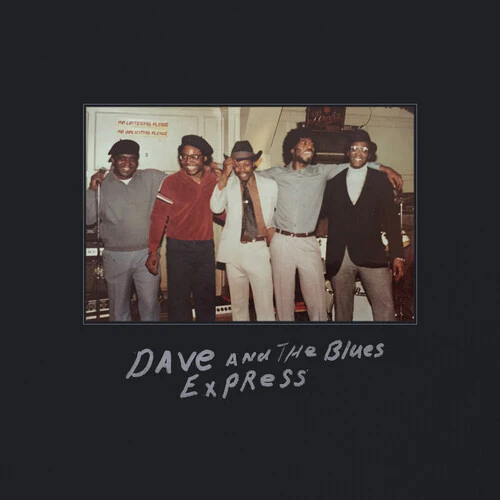
FRED DAVIS - CLEVELAND BLUES - VINYL LP
"Fred Davis was a legend, but only in my living room. There was always music around my
house, but as a teenager, I started digging deeper and deeper in to the blues records in my Dad's collection. That was when I started to get the Fred Davis story in fits and starts. Fred could play like T-Bone Walker and sang in a high, keen voice like J.B. Lenoir, he said. He used to front a jump band in Kansas City, before something went down that sent him to prison at Leavenworth. In the summer of 1967, he ended up working alongside my Dad at Harco, the Cleveland factory where my grandfather was an executive. They became friends, bonding over the B.B. King and Bobby Bland records blaring from the AM radio on the factory floor. Fred taught my Dad the rudiments of blues guitar, but his style. Instead of barring with his first finger, he wrapped his thumb around the back of the neck. That left his other fingers free to create big, ringing voicings that imitated the Kansas City horn sections he heard in his youth. Fred could play up and down the neck and, even when he played and sang just by himself, he sounded like a full band. Or, at least, so the legend went. These were only foggy memories from thirty years previous, passed down from a father to a son. But then we found the tape. A quarter inch reel in a plain white cardboard box, hiding on a shelf in the attic. My Dad explained how it came to exist: He found some friends (acquaintances really) who had a band and some equipment. They setup in my grandparents living room where the upright piano was, and he invited Fred over to record some of his songs with the band backing him up. Invited him over, to play loud music, in his boss's living room. Sounds like something I would have done. The idea was that maybe if there were some recordings of Fred that he could use them to get booked on the nascent college blues-revival circuit, but it wasn't to be. We found a place nearby that could dub the tape and put it on a CD for us. When we finally got the transfer back, the legend became real. Fred really COULD sing like J.B. Lenoir and play like T-Bone Walker. He really DID have his own style. And that style had now been passed on to me. Without even realizing it, I had learned to play like Fred Davis. Even now, when I sit down to play the guitar or write a song and I wrap my thumb around the neck, I'm playing like he did. With this music now professionally transferred and remastered, I can only hope that Fred Davis can finally receive the acclaim that he deserves; that he never received in his lifetime. The legend can finally go behind the confines of my living room and, with any luck, to the whole world." - Eli Paperboy Reed, fall 2022$25.99
FRED DAVIS - CLEVELAND BLUES - VINYL LP—
$25.99
Product Information
Product Information
Shipping & Returns
Shipping & Returns
Description
"Fred Davis was a legend, but only in my living room. There was always music around my
house, but as a teenager, I started digging deeper and deeper in to the blues records in my Dad's collection. That was when I started to get the Fred Davis story in fits and starts. Fred could play like T-Bone Walker and sang in a high, keen voice like J.B. Lenoir, he said. He used to front a jump band in Kansas City, before something went down that sent him to prison at Leavenworth. In the summer of 1967, he ended up working alongside my Dad at Harco, the Cleveland factory where my grandfather was an executive. They became friends, bonding over the B.B. King and Bobby Bland records blaring from the AM radio on the factory floor. Fred taught my Dad the rudiments of blues guitar, but his style. Instead of barring with his first finger, he wrapped his thumb around the back of the neck. That left his other fingers free to create big, ringing voicings that imitated the Kansas City horn sections he heard in his youth. Fred could play up and down the neck and, even when he played and sang just by himself, he sounded like a full band. Or, at least, so the legend went. These were only foggy memories from thirty years previous, passed down from a father to a son. But then we found the tape. A quarter inch reel in a plain white cardboard box, hiding on a shelf in the attic. My Dad explained how it came to exist: He found some friends (acquaintances really) who had a band and some equipment. They setup in my grandparents living room where the upright piano was, and he invited Fred over to record some of his songs with the band backing him up. Invited him over, to play loud music, in his boss's living room. Sounds like something I would have done. The idea was that maybe if there were some recordings of Fred that he could use them to get booked on the nascent college blues-revival circuit, but it wasn't to be. We found a place nearby that could dub the tape and put it on a CD for us. When we finally got the transfer back, the legend became real. Fred really COULD sing like J.B. Lenoir and play like T-Bone Walker. He really DID have his own style. And that style had now been passed on to me. Without even realizing it, I had learned to play like Fred Davis. Even now, when I sit down to play the guitar or write a song and I wrap my thumb around the neck, I'm playing like he did. With this music now professionally transferred and remastered, I can only hope that Fred Davis can finally receive the acclaim that he deserves; that he never received in his lifetime. The legend can finally go behind the confines of my living room and, with any luck, to the whole world." - Eli Paperboy Reed, fall 2022